
Zoological garden(Yadanabon)
Wildlife • Conservation • Education
Open Daily • 8 am to 5 pm
https://maps.app.goo.gl/snfsJCdntyCMFaiv5?g_st=ac
Saturday/Sunday
10:00 AM
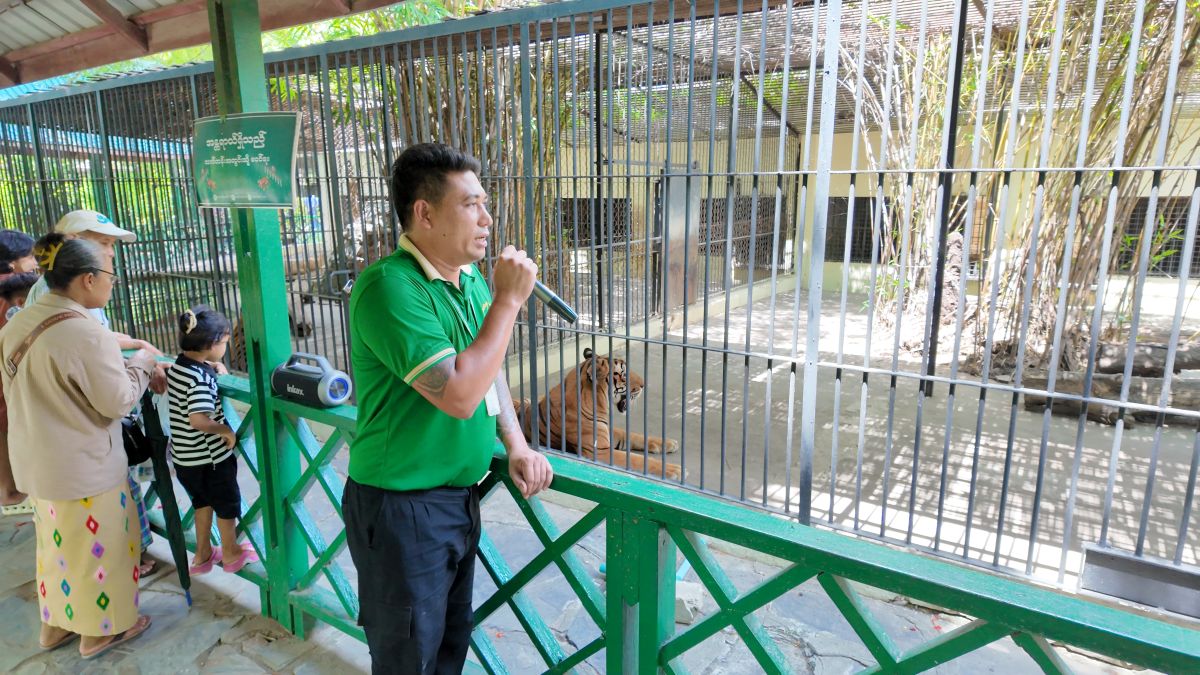
Tigers are the largest species in the cat family. They have black stripes on orange background and they are unique just like human fingerprints. India, Bangladesh, Nepal, Bhutan and it is found in the Hukaung Valley plain in northwestern Myanmar. They reach adulthood at around 3–4 years of age. The gestation period lasts approximately 3–4 months, and a female typically gives birth to 2–4 cubs per litter. In the wild, tigers can live for about 10–15 years, while those kept in protected and managed environments often live longer. Tigers are currently facing the threat of extinction due to habitat loss, illegal wildlife
https://maps.app.goo.gl/15DCqCb1DEq88EBc9?g_st=ac
Saturday/Sunday
10:30 AM
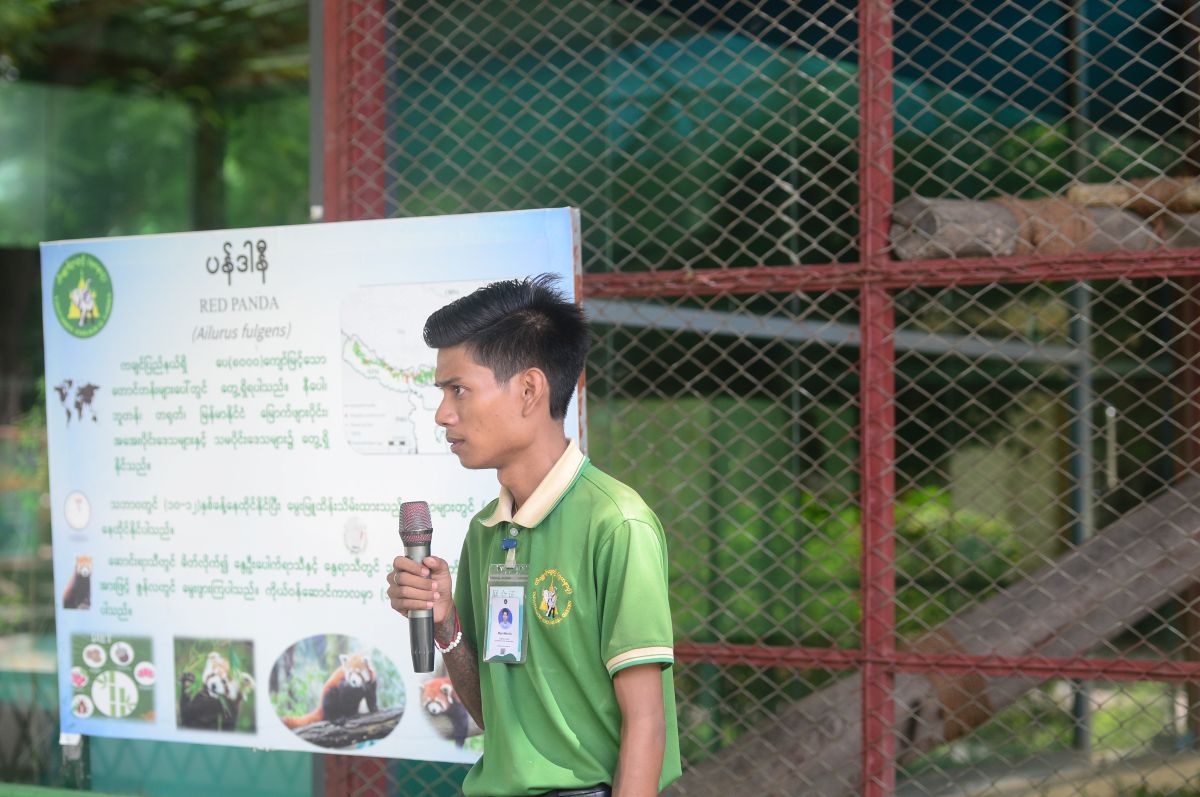
Red pandas are found in the Himalayan regions of Nepal, India, Bhutan, and China, as well as in the high-altitude mountainous areas of northern Kachin State, Myanmar. They have reddish-brown fur with black underparts and limbs. They are primarily nocturnal, foraging at night and resting in tree hollows during the day. Their gestation period lasts about 4–5 months, and they usually give birth to 1–4 cubs, with twins being the most common. Red pandas can live for 8–10 years in the wild and up to 13–15 years in captivity. Habitat loss due to deforestation and illegal hunting for their fur are major threats to the species. They are classified as Endangered (EN) on the IUCN Red List and are fully protected under Myanmar’s wildlife conservation laws
https://maps.app.goo.gl/NVZ8QWXSDcWDQ42aA?g_st=ac
Saturday/Sunday
11:00 AM
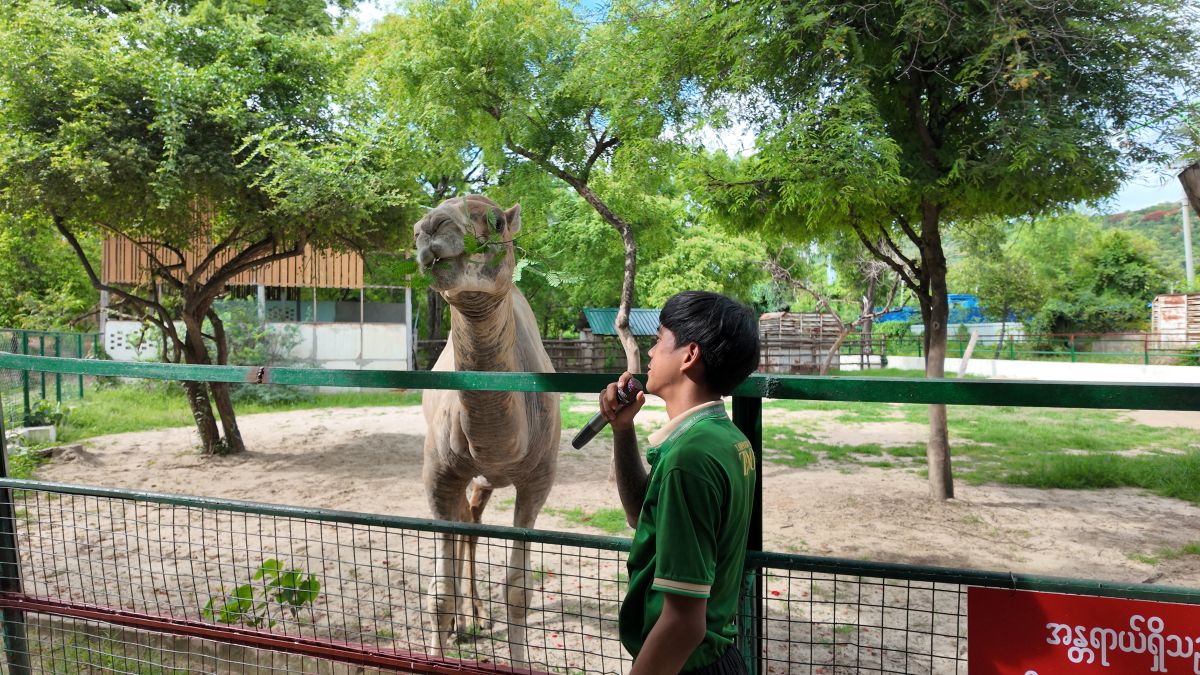
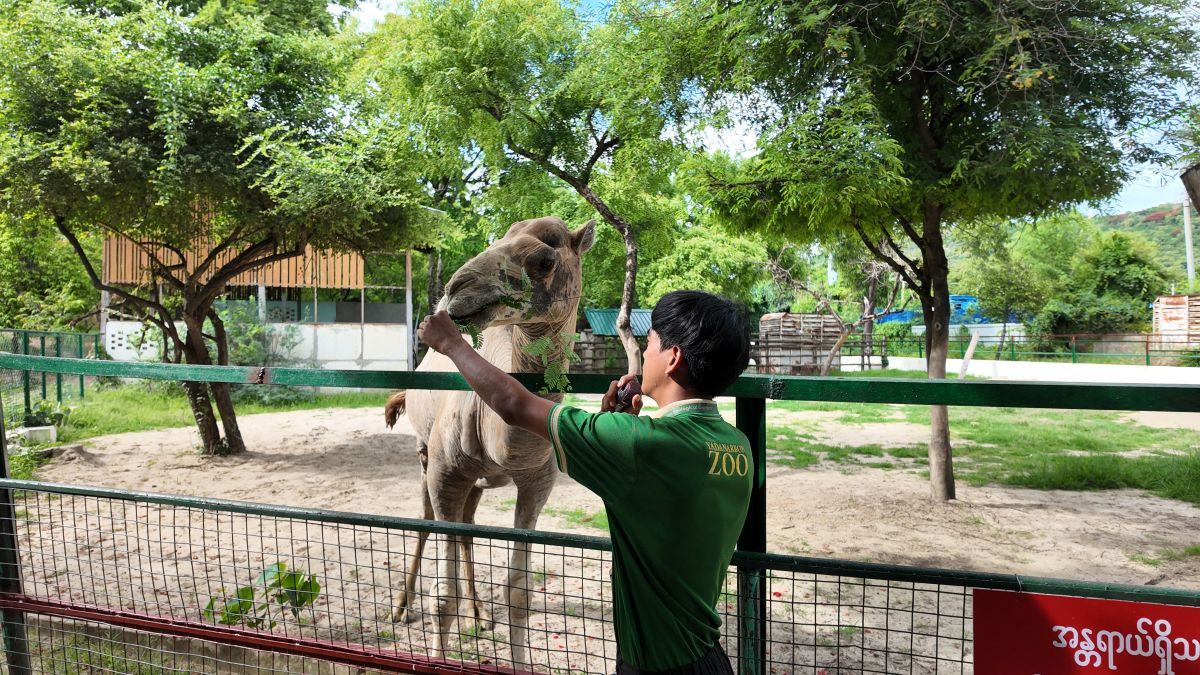
The Dromedary camel (Arabian camel) has a single hump on its back that stores fat, which can be converted into energy when food and water are scarce. It is well adapted to desert life, with double rows of eyelashes, closable nostrils to keep out sand, and broad feet that help it walk easily on sand. These camels are herbivores and can even eat thorny plants because of their tough mouths. When very thirsty, they can drink up to 30 gallons of water in 10–15 minutes and can run at speeds of about 40 miles per hour. They reach maturity at around 3 years of age, have a gestation period of 12–14 months, and typically live for 20–30 years.
https://maps.app.goo.gl/xebNSDJ9AWbf5fCE6
Saturday/Sunday
14:30 PM
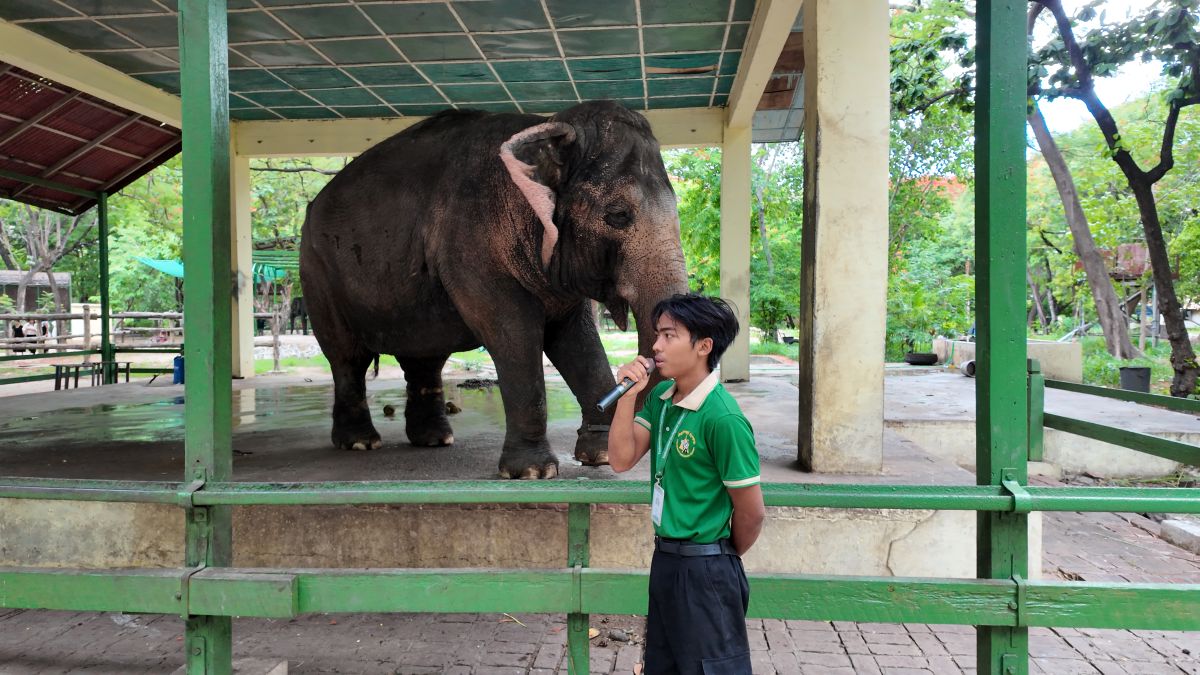
Elephants are the largest land mammals, with two species: Asian and African elephants. Asian elephants can be found in 13 countries, including Myanmar, and usually live in groups led by an older female.They are herbivores, eating large amounts of plants each day, and cool their bodies using water, mud, and ear flapping. Elephants are also known for their high intelligence and strong memory.They become sexually mature at 10–15 years, give birth to one calf after 18–22 months of pregnancy, and can live 60–70 years in the wild.
https://maps.app.goo.gl/VWiXnNMKArd9n33T6?g_st=ac
Saturday/Sunday
15:00 PM
The Plains Zebras kept at the Yadanabon Zoological Garden are herbivorous animals that originally inhabited the African savanna grasslands. Their unique feature is that the black stripes on each zebra's body are completely unique to that individual, much like human fingerprints.Zebras are social animals that live in herds and possess exceptionally sharp eyesight and hearing. To escape from predators, they are capable of running at speeds of up to 40 miles per hour. Furthermore, they have the unique habit of sleeping while standing up to ensure they can quickly react to danger. Regarding their reproductive traits, they reach maturity at the age of three, have a gestation period of 12 to 13 months, and typically give birth to only one foal at a time. The average lifespan of a zebra is 20 to 30 years, though they can often live longer when kept in zoological gardens.
https://maps.app.goo.gl/He3kuYSt8xaLNT2x5
Saturday/Sunday
15:30 PM
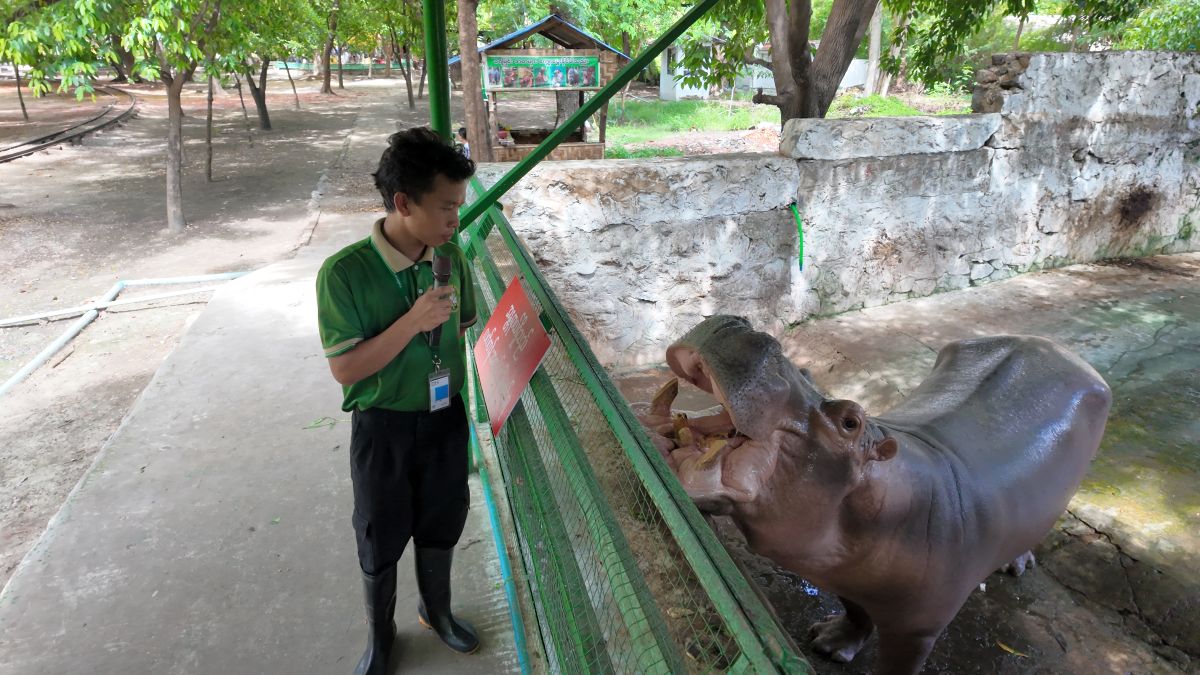
Hippopotamuses are large semi-aquatic mammals that live in Africa. They are widely distributed across sub-Saharan Africa, including Uganda, Kenya, Tanzania, Zambia, Zimbabwe, Botswana, and South Africa. They inhabit rivers, lakes, swamps, and other wetland areas. Hippopotamuses have gray, barrel-shaped bodies, strong legs, and sparse hair. They are herbivores that mainly feed on grass, although they sometimes eat aquatic plants. Their gestation period is about eight months, and females usually give birth to a single calf. In the wild, hippopotamuses can live for 40–50 years, while those in protected care may live up to 50–60 years. By grazing on grass and returning nutrients to the water through their waste, hippopotamuses play an important role in supporting aquatic ecosystems and food chains.